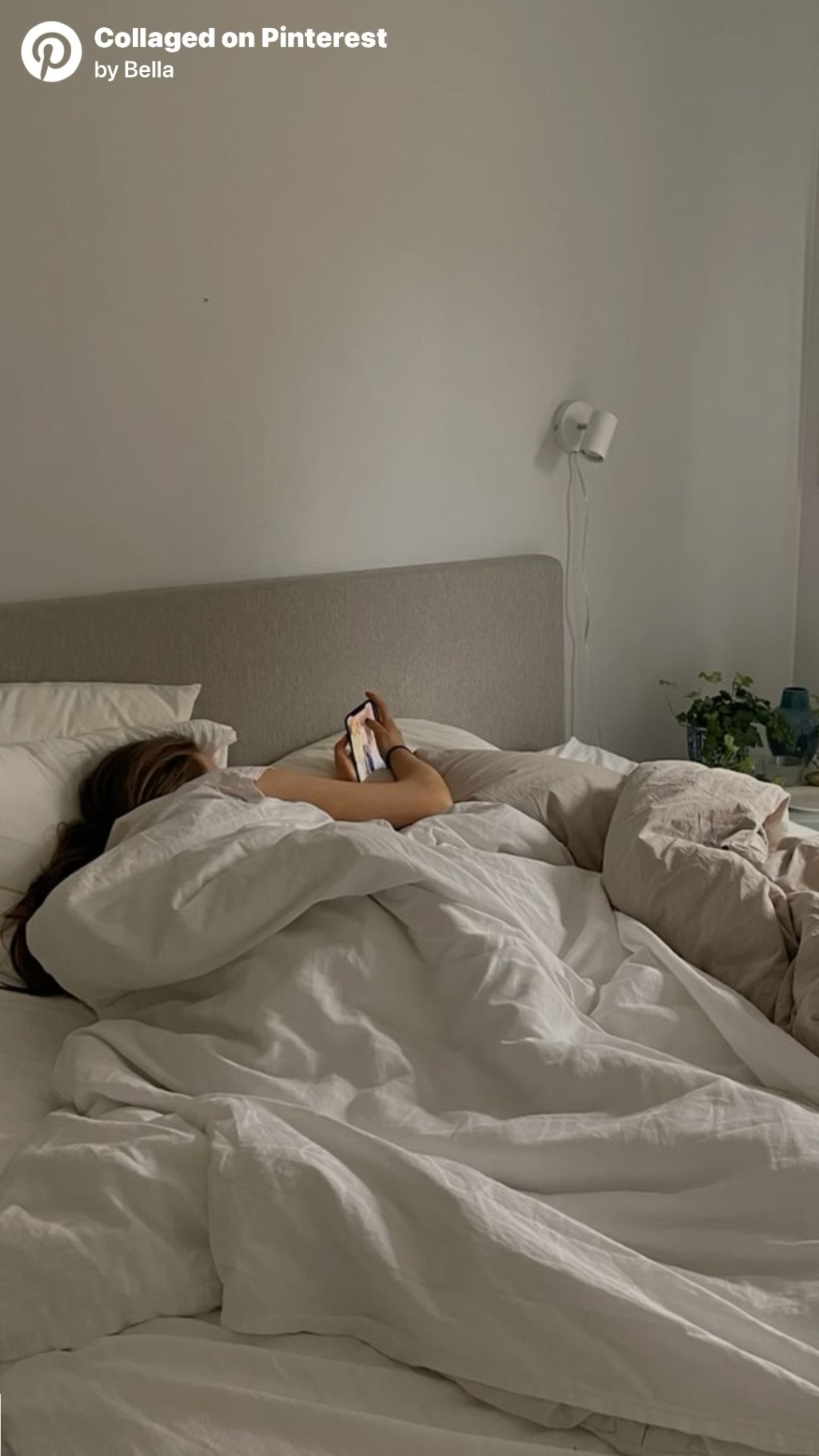

Just 5 more minutes. I’ll do it in a second. I’ll get it done eventually. Your procrastination is killing your productivity, and today we are diving into how to change that.
What is procrastination?
By definition, procrastination is delaying or putting off tasks until the last minute. Procrastination isn’t always laziness. Not knowing where to start, feeling overwhelmed by tasks, being mentally exhausted, or simply dealing with a boring task are all reasons someone might procrastinate.
We all have moments when it feels impossible to get out of bed, start studying for a final, pick up things left on the back burner, and get ahead on what needs to be done. Changing your procrastination habits begins with routine and small lifestyle changes that can change how your brain thinks and approaches obstacles.
The wake-up call:
Stop hitting the snooze button. Get up out of bed and start your day the minute your alarm goes off. I never used to be a morning person. Up until late sophomore year, I couldn’t drag myself out of bed.
What changed?
I didn’t suddenly acknowledge the problem and fix it right away. For me, my daily routine forced me to develop a lasting routine to maintain a healthy lifestyle. I used to come home from dance practice around 10 pm some nights, then catch up on homework, shower, scroll through my phone, and wake up at 6 am the next morning for cheer practice. I wasn’t getting enough sleep, and I was constantly stressed.
I stopped waiting to study/complete homework, I stopped staring at my phone at night when I knew I was exhausted, and when my alarm rang in the morning, I hopped out of bed right away. Staying up late and then setting five alarms clearly wasn’t working. I learned to manage my time and create routines.
When you develop a solid routine, it becomes easier to stop procrastinating. This takes time and effort; however, a routine should make your life easier, not more overwhelming.
To create a routine, start by identifying things you need to do each day, like school, meals, exercise, extracurriculars, and sleep, then build around those commitments. Start small;; you don’t need to change your whole life overnight. Begin by focusing on one or two commitments, then work your way up from there. A digital calendar makes this much easier, and you can add or edit events at your fingertips. When you prioritize what matters to you, routine becomes much more natural and maintainable.
Perfectionism and Procrastination:
As I said in the introduction, procrastination doesn’t always mean laziness. Sometimes it comes from waiting to do something because you want it to be perfect. Many people (myself included) put off tasks or assignments because they feel as though they need to be in the “right” headspace to start, they don’t have enough time to start the task properly, or they worry it won’t be perfect on the first attempt, they wait for the perfect conditions to occur. The problem is that perfect conditions rarely occur, so sometimes it is better to start and accept that it doesn’t have to be perfect right away. I personally struggle a lot with this when it comes to writing. Whether it be for school or for the blog, I often experience writer’s block, or I feel like I need to wait for the right motivation. The truth is that motivation comes and goes. Even when it feels impossible I force myself to open my laptop and just start. It doesn’t have to be perfect. It doesn’t have to make sense. Sometimes a rough draft is better than a blank page.
Screens and procrastination:
Phones are a leading cause of procrastination. Scrolling through social media is addictive, and once you pick up your phone, it can be difficult to put it down.
But why are phones so addictive? They trigger dopamine, your brain’s feel-good chemical. You never know what content you will see on social media platforms; it may be emotional content or exciting news, and it can be an emotional roller coaster for your mind. Research in PubMed Central involving children aged 8-12 found that media multitasking (using multiple types of media at the same time, e.g., playing video games while watching YouTube) is associated with attention span and behavioural problems. When these habits become frequent, they may also affect students academically. A shorter attention span and difficulty studying or focusing on tasks/assignments may negatively impact academic performance.
Here are some ways to help lessen phone distractions:
- Set up screen time limits/reminders:
For iPhones: To set up screen time, open Settings, scroll down until you see the “Screen time” option, and then open “App limits.” Once you set time limits, you can edit or change them at any time.
For Android phones: To set up screen time, open Settings, tap Digital Wellbeing & parental controls, tap the dashboard to view your app list, then select the hourglass icon next to the app you want to restrict. You can edit these settings at any time.
- Put your device in a different room: if your phone is out of reach, you are less likely to pick it up.
- Set a timer and reward yourself with a 5-minute break for every 20 minutes of work. This may help motivate you to focus. Sometimes the most difficult part is starting.
This year, let’s all make a conscious effort to stop procrastinating and maximize our productivity. As always, if you have anything you’d like to read next, leave a comment below. Thank you for taking the time to read today’s post, and I hope you enjoyed it!